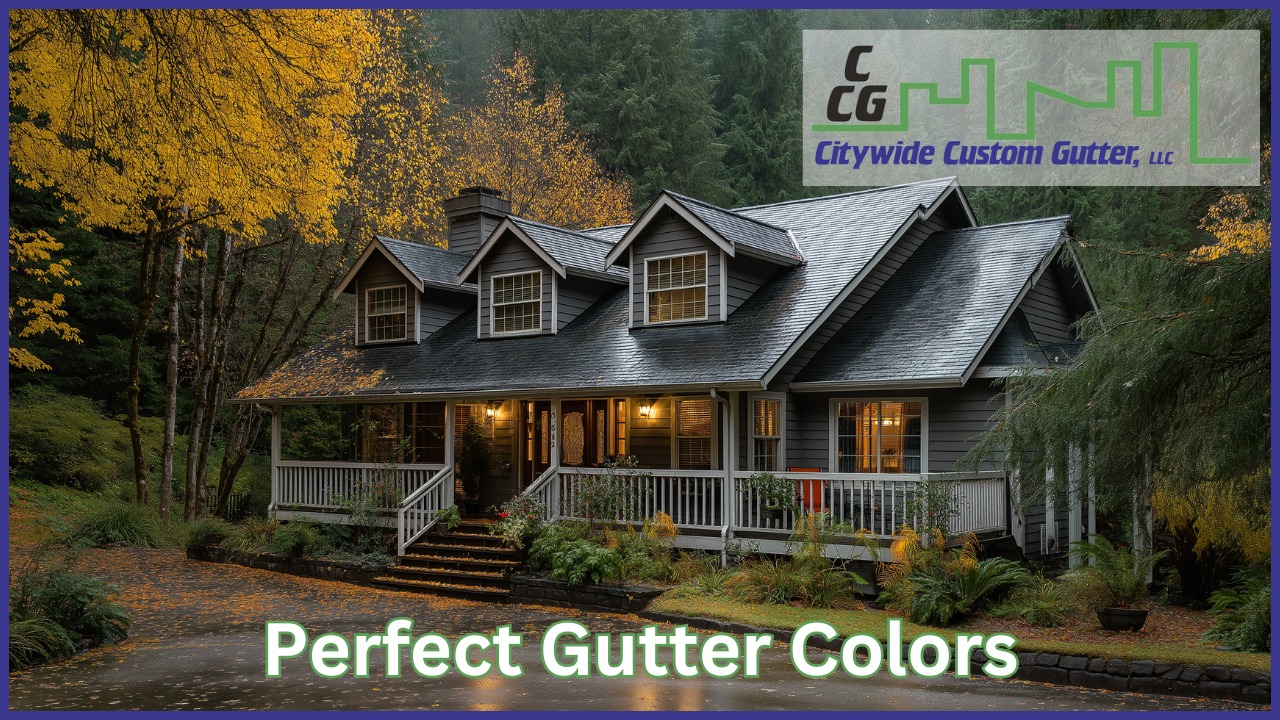
Choosing the right gutter colors might seem like a minor detail, but it’s one of those decisions that either pulls your whole exterior together or sticks out like a sore thumb every time you pull into your driveway. The color you pick affects how your rainwater systems blend with or complement your roof, siding, and trim, ultimately impacting your home’s curb appeal and even its value.
Why Do Gutter Colors Matter for Your Home?
Your gutters occupy a significant amount of visual real estate along your roofline. When gutter colors clash with your exterior paint or stand out awkwardly against your roof colors, they draw attention for all the wrong reasons. But when chosen thoughtfully, they practically disappear into your home’s design or add a subtle accent that enhances the overall look.
Think about it this way: you wouldn’t wear mismatched shoes with a nice outfit, right? The same principle applies to your home exterior design. Your gutters, fascia, soffit, and downspouts should work together as part of a cohesive color scheme. Getting this right doesn’t cost any more than getting it wrong, but the visual payoff makes a huge difference.
Beyond aesthetics, your color choice also affects practical considerations. Darker gutter colors absorb more heat, which can help in cold climates by melting snow and ice, but may accelerate expansion and contraction in hot regions. Lighter shades reflect heat better but show dirt and stains more readily. These factors matter when you’re thinking long-term about gutter maintenance and appearance.
Should You Match or Contrast Your Gutters?
Most homeowners take one of three approaches: matching gutters to trim colors, matching roof colors, or matching siding colors. Each strategy works, but the best choice depends on your specific home and the look you’re going for.
Matching gutters to your house trim colors creates a clean, cohesive look that makes gutters blend into the overall design. This approach works especially well when your trim, fascia colors, and soffit colors already coordinate. White gutters on a home with white trim, for instance, create seamless visual flow that lets your siding and architectural details take center stage.
Matching your roof colors makes gutters virtually disappear against your roofline, which some homeowners love because it emphasizes horizontal lines and makes homes appear wider. Brown gutters under brown shingles or gray gutters under gray shingles create this effect. Just remember that what looks subtle from a distance still needs to coordinate with the trim and siding at close range.
Contrasting gutters work when you’re intentionally creating accent elements. Copper gutters or darker shades against lighter exteriors can add architectural interest, though this approach requires confidence in your home color schemes. It’s similar to choosing bold accent colors for your front door or shutters – done right, it’s striking, but it demands thoughtfulness.
What Colors Are Available in Different Gutter Materials?
Your gutter materials largely determine your color options. Aluminum gutters offer the widest selection, typically available in 20 to 30 standard colors plus custom options. You’ll find everything from bright white and almond to bronze, charcoal, and specialty shades that match popular exterior and siding colors.
Copper gutters develop their own color story over time, starting as bright metallic copper, then developing a brown patina, and eventually turning to the distinctive blue-green verdigris. You can’t choose the final color; it’s determined by weather exposure and time. Steel gutters typically come in galvanized silver or can be painted in custom colors. Zinc gutters, like copper, develop a natural patina that shifts from dark gray to lighter gray over decades.
How Do You Coordinate Gutters with Trim and Fascia?
Your fascia colors provide the mounting surface for the gutters, so visual coordination is most important here. When your gutter colors match fascia colors, they create one continuous element that frames your roofline cleanly. This approach works well when you have painted fascia that coordinates with other trim colors around your home.
If your fascia and soffit colors differ, you’ve got choices to make. Some homeowners match gutters to fascia; others match to soffit colors; and still others match to other house trim colors, such as window frames or corner boards. There’s no single right answer – it depends on which creates the most balanced look for your specific exterior.
Consider the relationship between downspout colors and your siding, too. Downspouts run vertically along your walls, so they interact with siding colors more directly than horizontal gutters do. Matching downspouts to siding helps them blend in, while matching them to gutter colors creates visual continuity in your rainwater systems. You can use different strategies for gutters and downspouts if it better serves your overall design.
What Are the Most Popular Gutter Color Choices?
White gutters dominate residential installations, probably accounting for half of all gutter colors chosen. White works with almost any exterior paint scheme, matches common trim colors, and stays looking fresh for years. It’s the safe choice that rarely looks wrong, though it can appear bland on homes with more interesting color schemes.
Brown ranks second in popularity, especially for homes with earth-tone exteriors or darker roof colors. Various shades of brown, from light tan to chocolate brown, coordinate with wood-toned elements and natural materials. Brown hides dirt better than white, which appeals to homeowners tired of constantly cleaning their gutters.
Gray has surged in popularity as more homes adopt modern color schemes. From light gray to charcoal, these shades complement contemporary siding colors and stone accents. Gray offers versatility similar to white but with more visual interest and better dirt concealment.
Black and dark bronze gutters create bold statements on the right homes. They work especially well with modern farmhouse designs, contemporary exteriors, or homes with strong architectural details. These dramatic choices demand confidence but deliver striking results when executed well, with coordinating window-frame colors and other exterior elements.
Should You Paint Existing Gutters or Replace Them?
If your current gutter materials are in good shape but the color doesn’t match your updated exterior paint or new roof, painting may be a good option. Aluminum gutters take paint well when properly prepared, giving you the flexibility to match any exterior coatings scheme you want. The process involves thorough cleaning, light sanding, primer, and quality exterior paint rated for metal surfaces.
However, painting adds maintenance you wouldn’t face with factory-finished gutters. Painted surfaces eventually peel, chip, or fade, requiring touch-ups or complete repainting every five to ten years. Factory finishes on new aluminum gutters typically outlast painted surfaces and maintain their appearance longer with less maintenance.
Sometimes replacement makes more sense than painting, especially if your gutters show signs of deterioration or you’re updating gutter styles at the same time. The color decision is part of a larger upgrade that may include gutter guards, larger gutters, or enhanced rainwater harvesting systems. Bundling these improvements delivers greater long-term value than simply refreshing color on aging systems.
How Do Gutter Colors Affect Curb Appeal?
Real estate professionals know that curb appeal influences buyer perception and home values. Mismatched or faded gutter colors signal deferred maintenance, while fresh, coordinated colors suggest careful ownership. When potential buyers drive up, they make snap judgments, and every detail contributes to their overall impression.
Cohesive house color schemes that include thoughtfully chosen gutter colors create polish that buyers notice and appreciate. It doesn’t necessarily mean everything matches perfectly – some of the most attractive homes mix complementary shades – but there needs to be intentional coordination. Random or clashing colors undermine even expensive landscaping or other improvements.
Consider your gutters in the context of your overall exterior. Do your gutter colors work with your roof colors? Do they coordinate with siding colors and accent colors? Does the overall combination feel harmonious? If you’re unsure, take photos of your home, experiment with digital color swatches, or consult professionals specializing in home exterior design before committing to gutter installation or replacement.
What Role Does Lighting Play in Color Selection?
Colors appear different under different lighting conditions, which matters when choosing gutter colors. That shade that looks perfect on a small sample in the store might appear completely different when installed under your roofline in actual daylight. Northern exposures receive cooler, more consistent light, while southern exposures receive warmer, more intense sunlight that can affect how colors appear.
Your home’s orientation also affects how colors weather over time. Gutters on south-facing elevations exposed to intense sun may fade faster than those in shade, creating potential mismatches if you need to replace sections later. This consideration influences whether you choose lighter shades that hide fading better or darker ones that might show wear more noticeably.
Test colors, if possible, before committing to your whole house. Some suppliers provide sample pieces you can hold against your trim colors, siding, and roof in actual installation positions. Look at these samples at different times of day – morning, afternoon, and evening – to see how changing light affects appearance. What looks great in morning light might look off in harsh afternoon sun.
How Do Regional Trends Influence Gutter Color Choices?
Geographic location influences popular gutter colors, driven by both climate and regional aesthetic preferences. Coastal areas often favor lighter shades that resist heat absorption, while northern climates favor darker colors that help melt snow and ice. Desert regions trend toward earth tones that coordinate with natural surroundings.
Architectural styles common in your region matter too. Traditional neighborhoods with historic homes often feature classic white or copper gutters that preserve period authenticity. Suburban developments might see more varied color schemes as homeowners personalize their exteriors. Modern urban areas increasingly embrace bold choices, such as black or charcoal, to create contemporary statements.
Don’t feel bound by local popularity, but do consider resale implications if you choose something dramatically different from neighborhood norms. Unique choices might express your personal style beautifully, but could limit your buyer pool if you sell. Finding the balance between individual expression and broad appeal depends on your long-term plans and risk tolerance for impacting property values.
What About Custom Gutter Colors?
Most gutter material manufacturers offer custom color matching for additional fees. If you’ve got a specific exterior paint shade you love or need to match existing weatherproof paint on your trim, custom colors ensure perfect coordination. This option works especially well for high-end homes where precise color matching justifies the extra investment.
Custom colors typically add $2 to $5 per linear foot to your gutter installation costs. For a home requiring 200 feet of gutters, the additional cost is $400 to $1,000. Whether this investment makes sense depends on how important exact color matching is to your overall home exterior design vision and budget.
Keep in mind that custom colors might be harder to match later if you need replacement sections or want to expand your gutter systems. Standard colors remain consistent over the years, making future additions seamless. Custom shades require maintaining detailed records and relying on the manufacturer to match your formula as needed.
The gutter colors you choose today will frame your roofline for the next 20 to 30 years, so it’s worth taking time to get the decision right. Review your entire exterior, including siding colors, roof colors, and all trim elements.
Consider how different shades interact with your home’s architecture and your neighborhood’s character.
And remember that while trends come and go, classic coordination between your gutters, fascia, and other exterior elements never goes out of style. Your home will thank you with an improved curb appeal that makes you smile every time you come home.
Frequently Asked Questions
Can you change the gutter colors without replacing the gutters?
Yes, aluminum gutters can be painted with proper preparation, though factory finishes typically last longer and look better than field-applied paint.
Do darker gutter colors cost more?
Standard colors all cost the same regardless of shade. Only custom color matching adds extra expense to your gutter materials.
Should gutters match the house or the roof?
Either approach works. Matching trim or fascia creates cohesion, while matching roof colors makes gutters less noticeable along the roofline.
Do gutter colors fade over time?
All colors fade eventually, but quality factory finishes resist fading better than painted surfaces, especially in harsh sun exposure.
What’s the most versatile gutter color?
White remains the most adaptable choice, working with virtually any roof, siding, or trim combination while maintaining a clean appearance.